
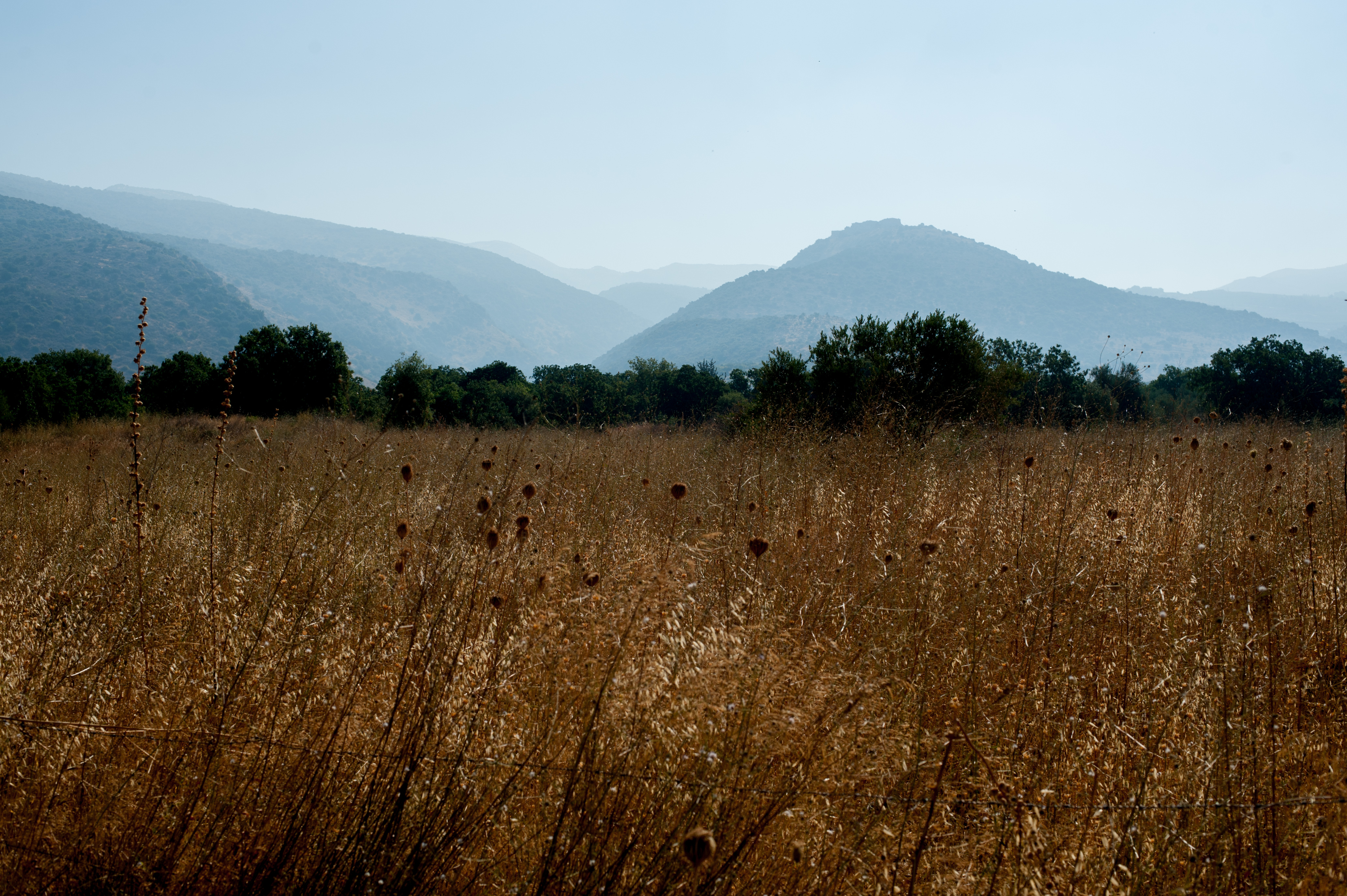
Montana is a top destination for hunters seeking wide-open
spaces and abundant wildlife. But not all land is created equal when it comes
to hunting potential. If you're considering purchasing hunting land, here are
five key factors to evaluate before making your investment:
1. Wildlife Presence & Habitat
The most important factor is, of course, the wildlife. Look for land that
naturally supports species like deer, elk, or upland birds. Features such as
water sources, timber cover, and natural food plots can significantly increase
wildlife activity and make the property more valuable for hunting.
2. Acreage & Layout
Size matters, but so does how the land is laid out. Larger parcels offer more
privacy and better hunting opportunities, but even smaller tracts can be
effective if they border public land or migration routes. Irregular terrain,
draws, and tree lines can create natural funnels that benefit hunters.
3. Access & Road Frontage
Legal and physical access is critical. Ensure the property has deeded access
and usable roads, especially during different seasons. Landlocked parcels or
difficult terrain can limit usability and reduce long-term value.
4. Proximity to Public Land
Properties near public lands can offer expanded hunting opportunities and
attract more wildlife. Being close to state or federal land can be a major
bonus for buyers looking to maximize their hunting range.
5. Regulations & Land Use Restrictions
Before purchasing, understand local hunting regulations, zoning laws, and any
land use restrictions. Certain areas may have seasonal limitations or
conservation easements that impact how the land can be used.
Final Thoughts
Buying hunting land in Montana is about more than just acreage—it’s about
finding the right combination of habitat, access, and location. With careful
consideration, you can secure a property that delivers both recreational
enjoyment and long-term value.