
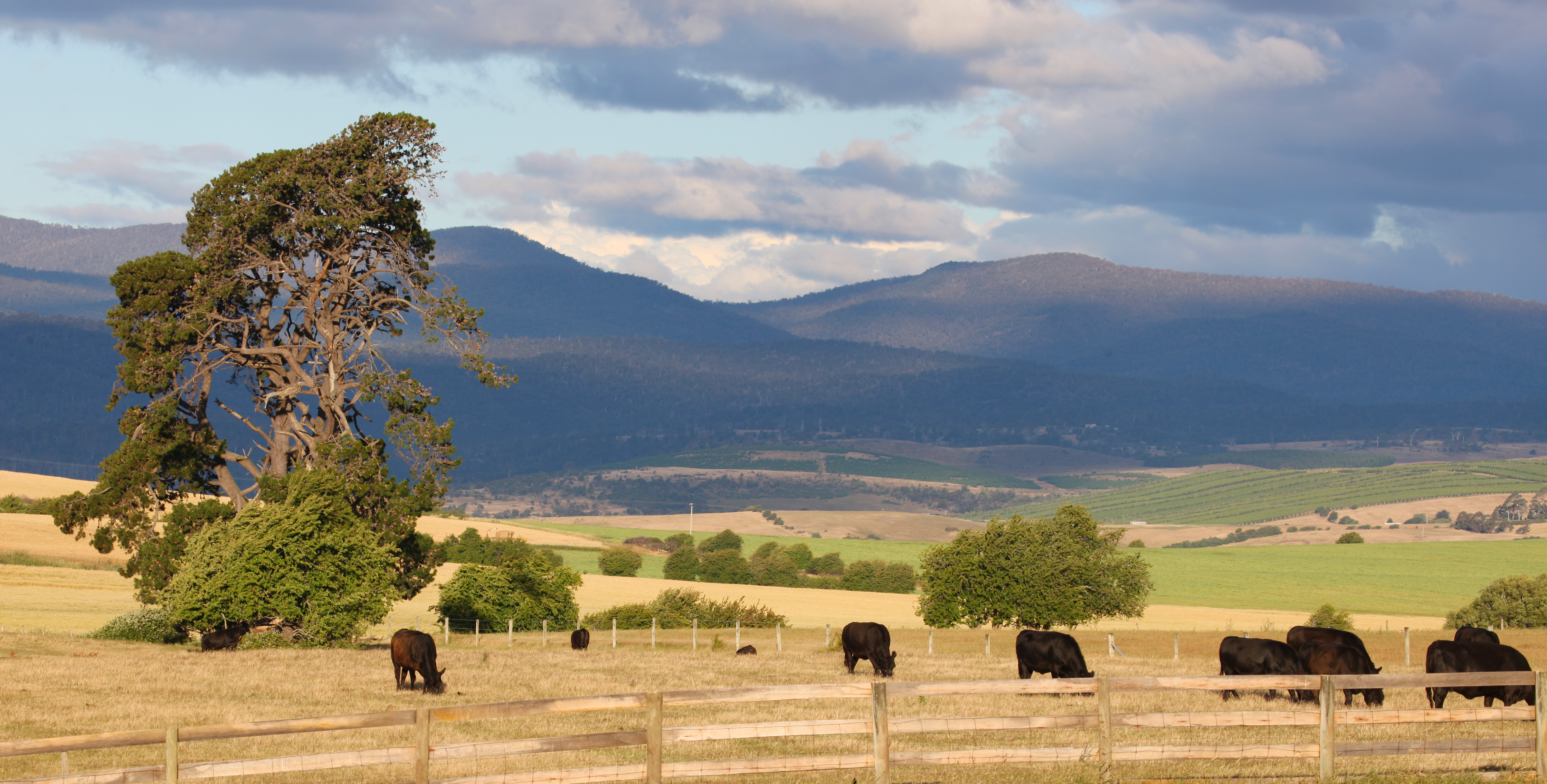
Montana is known for its vast landscapes, wide-open skies,
and rich ranching heritage. For prospective buyers, understanding the
difference between a working ranch and a recreational ranch is crucial. While
both offer unique lifestyle benefits, the purpose of the property shapes
everything from land management to investment potential. Here are five key
differences to consider:
1. Purpose of the Land
A working ranch is primarily designed for agricultural
operations, including cattle, hay production, or other livestock activities.
The land, water, and infrastructure are optimized for productivity.
In contrast, a recreational ranch is focused on leisure,
such as hunting, fishing, horseback riding, or simply enjoying scenic privacy.
While some recreational ranches may include livestock, it’s usually secondary
to the recreational appeal.
2. Infrastructure and Facilities
Working ranches often feature extensive operational
infrastructure, including barns, corrals, feed storage, fencing, water systems,
and machinery sheds. These features are built for efficiency and long-term
functionality.
Recreational ranches, on the other hand, prioritize amenities
for comfort and enjoyment—think cabins, lodges, trails, and sometimes lakes or
ponds designed for recreation rather than production.
3. Land Management & Maintenance
Running a working ranch requires active management,
including pasture rotation, livestock care, irrigation, and hay production.
Owners may need specialized knowledge in livestock health, soil, and forage
management.
Recreational ranches are generally less labor-intensive.
Maintenance focuses on preserving natural beauty, wildlife habitat, and outdoor
accessibility rather than producing revenue from the land.
4. Income Potential
A working ranch can be a source of income, generating
revenue from livestock sales, hay production, or agricultural leases. It’s an
investment where operational success impacts profitability.
Recreational ranches are more likely an investment in
lifestyle, with financial returns often tied to appreciation in land value or
occasional leasing for hunting, fishing, or events.
5. Buyer Profile & Lifestyle
Working ranches attract buyers interested in agriculture,
legacy operations, or rural business opportunities. Owners are hands-on and
invested in the long-term productivity of the land.
Recreational ranches appeal to those seeking privacy,
outdoor adventure, and seasonal retreats. The focus is more on enjoyment,
relaxation, and personal fulfillment than day-to-day operations.
Final Thoughts
Whether you’re drawn to the legacy and labor of a working
ranch or the serenity and adventure of a recreational ranch, Montana offers
unmatched opportunities for both. Understanding the differences ensures you
select a property that aligns with your goals, lifestyle, and long-term vision.