
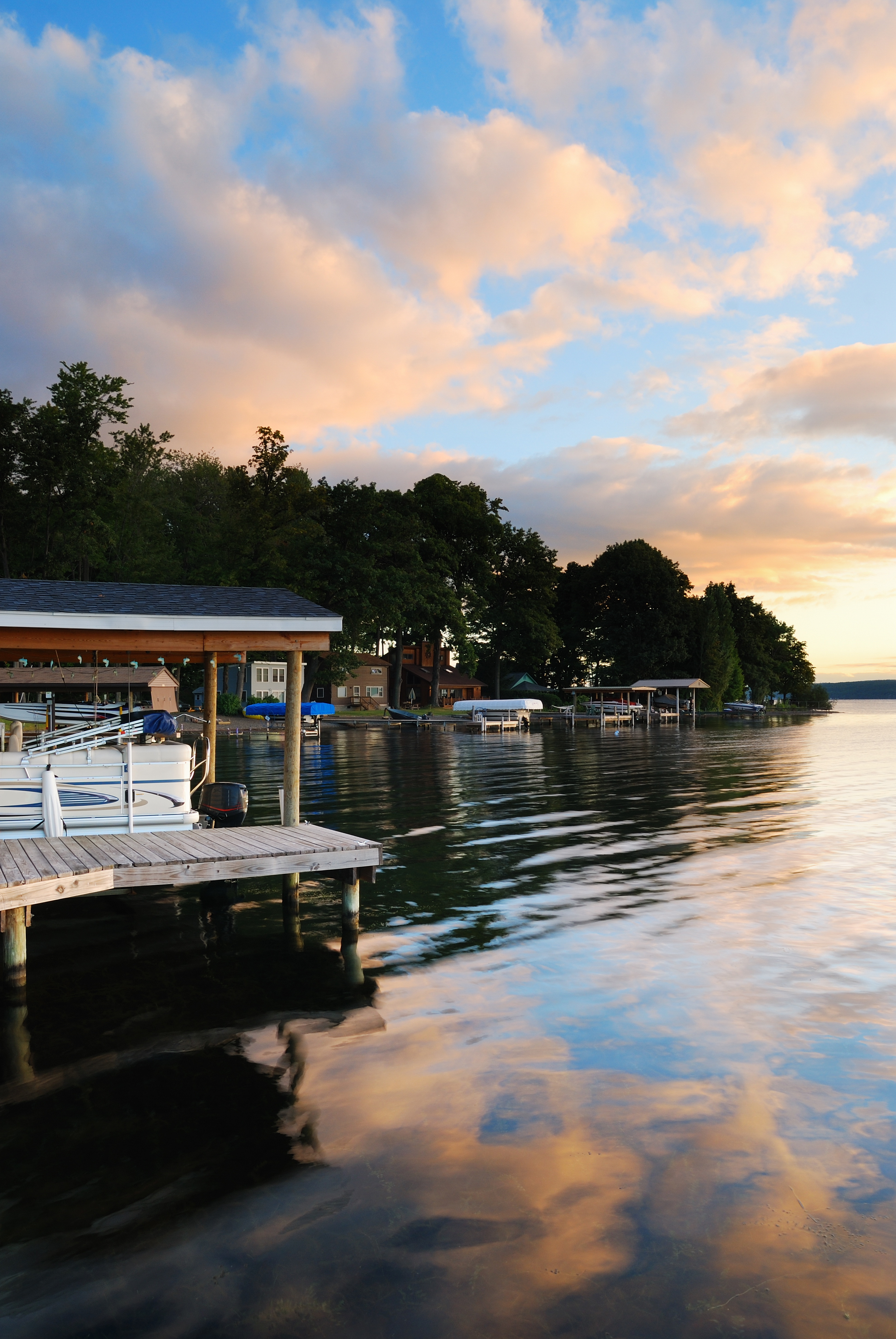
Buying a waterfront property is a dream for many—waking up
to peaceful views, fishing or boating just steps from your door, and enjoying a
lifestyle deeply connected to nature. But before diving in, it’s important to
understand that waterfront homes come with unique considerations. Here are five
key things to know before making your move.
1. Understand the Type of Waterfront
Not all waterfronts are created equal. There’s a big
difference between a quiet lake, a fast-moving river, or an oceanfront
property. Each comes with different levels of access, recreational use,
regulations, and risks. For example, riverfront properties may face erosion,
while lakefront homes might have boating restrictions. Be sure to ask:
Can you swim, fish, or dock a
boat?
Is the shoreline public or
private?
Are there seasonal water level
changes?
2. Check for Flood Zones and Insurance Needs
Waterfront homes often fall within FEMA-designated flood
zones. If the home is in a high-risk area, flood insurance may be required—and
can be costly. Even if it’s not required, having coverage is wise. Work with
your lender and insurance provider early in the process to:
Review flood zone maps
Get quotes for both homeowners
and flood insurance
Understand the risk of storm
surges or rising water levels
3. Inspect for Water Damage and Environmental Impact
Water can be tough on a structure over time. When touring a
property, be extra cautious about signs of water intrusion, mold, or foundation
issues. Also, consider the long-term maintenance of seawalls, docks, or
drainage systems. A specialized home inspector familiar with waterfront
properties is a smart investment.
4. Know the Local Regulations
Waterfront properties are often subject to strict zoning,
building, and environmental rules. These can limit what you can build,
renovate, or even plant. Want to add a dock or clear some trees for a better
view? Check with:
The local zoning office
Environmental protection
agencies
HOA or community rules (if
applicable)
It’s always better to know what’s allowed before you buy.
5. Consider Lifestyle and Access Year-Round
While the idea of summer days by the water is appealing,
think about how the property functions year-round. Is the road plowed in the
winter? Is it in a remote area that could be hard to access during storms? If
you plan to live there full time, make sure the home—and the location—fit your
long-term lifestyle, not just your vacation dreams.
Final Thoughts
Waterfront homes offer an incredible lifestyle, but they also require careful
research and planning. By doing your due diligence ahead of time, you can enjoy
all the benefits of living by the water—without unwanted surprises.