
If you’ve ever dreamed of living off the land, growing your
own food, and reducing your environmental footprint, a sustainable homestead
could be your path to freedom. But before you can build your eco-conscious
lifestyle, you need to find the right piece of land. Here are five key factors
to consider when searching for the perfect homestead property:
1. Water Access and Rights
Reliable water is the foundation of any sustainable
property. Whether you plan to grow food, raise animals, or live off-grid,
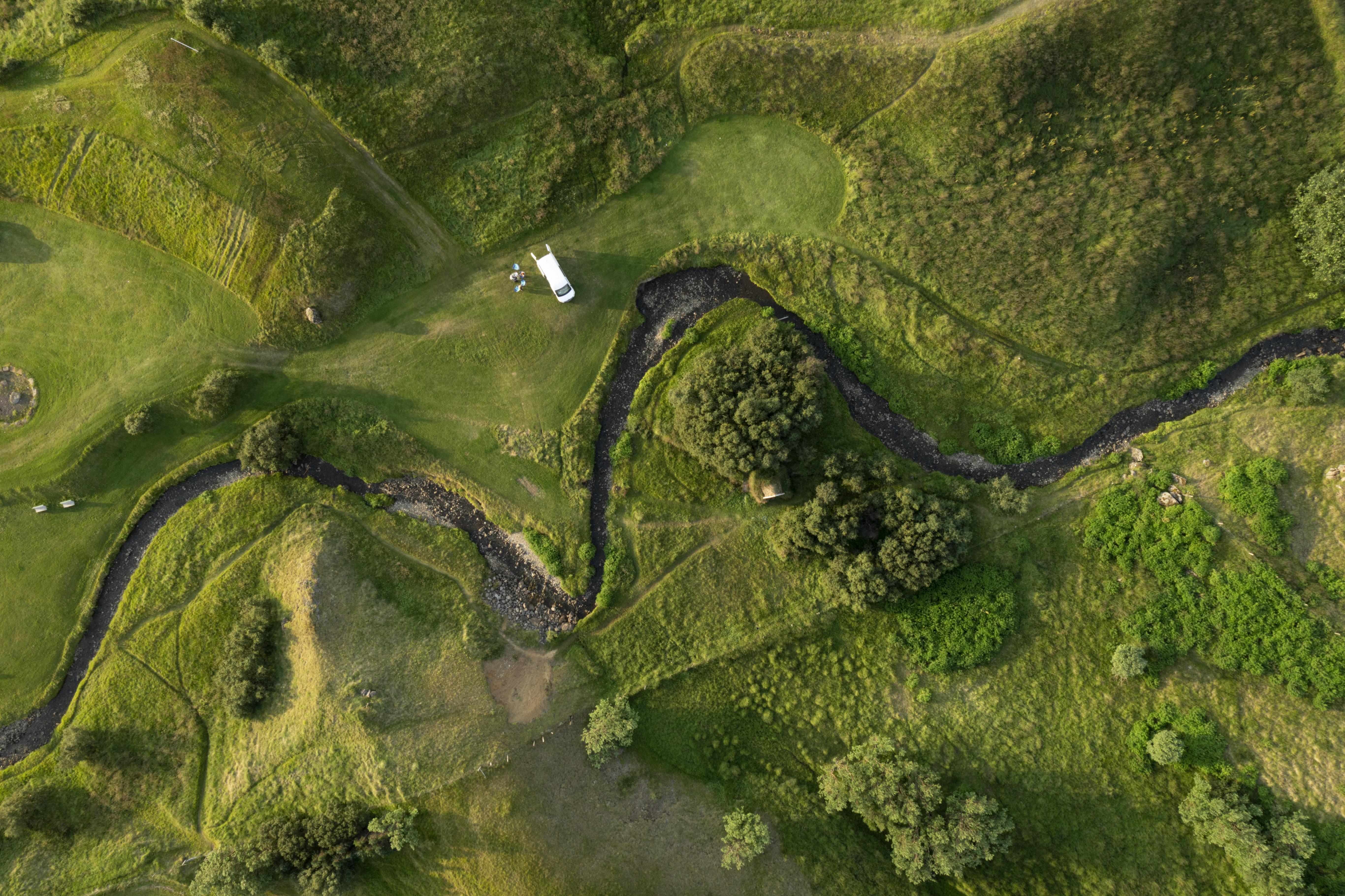
you’ll need access to water year-round. Look for land with a well, spring,
creek, or rainwater catchment potential—and verify water rights or permits
before buying.
Bonus tip: Check the water table depth and quality in the
area.
2. Soil Quality and Sun Exposure
Good soil is vital for gardening, permaculture, and pasture
management. Test the soil for pH, drainage, and nutrient levels. You'll also
want ample sun exposure—at least 6–8 hours daily—for your crops and potential
solar power systems. Avoid shaded or heavily sloped areas unless you have a
specific plan for them.
3. Zoning and Land Use Regulations
Even if the land looks perfect, local regulations can impact
what you’re allowed to do. Research zoning laws, agricultural use allowances,
and building codes in the county or municipality. Some areas may restrict
livestock, certain types of structures, or off-grid systems like composting
toilets or solar setups.
4. Location and Accessibility
You’ll need to strike a balance between privacy and
proximity. Too remote, and it may be hard to get supplies or access emergency
services. Too close to town, and you may face more restrictions or higher land
costs. Look for year-round road access, nearby farmers markets or co-ops, and a
community that supports sustainable living.
5. Natural Resources and Ecosystem Potential
Think long-term. Is there timber for building? Wild food
sources? Space for a greenhouse, apiary, or livestock rotation? Evaluate the ecosystem
health of the property—diverse native plants, clean air, and wildlife presence
are all good signs of a fertile and balanced environment.
Final Thoughts
A sustainable homestead is more than just a place to
live—it’s a lifestyle rooted in independence and stewardship. By carefully
evaluating these five factors, you can find a piece of land that supports your
vision for self-sufficiency, resilience, and harmony with nature.
Ready to start your land search?
Reach out to one of our rural property specialists—we’ll help you find the
acreage that checks every box for your sustainable dream.