
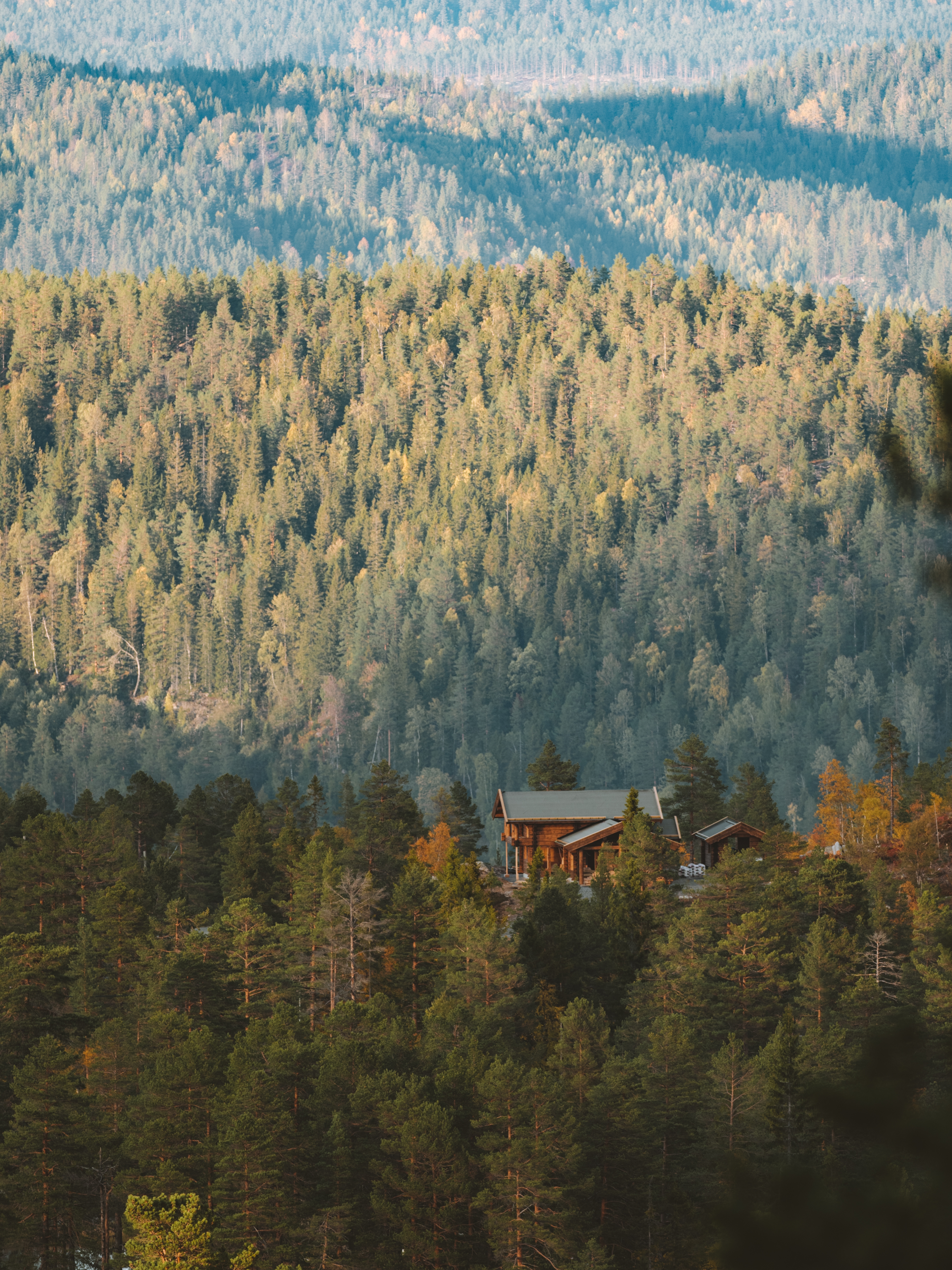
Off-grid living in rural Montana has become increasingly
appealing to buyers looking for space, privacy, and independence. But while the
idea of a self-sufficient country home sounds ideal, it also comes with real
responsibilities and lifestyle shifts. Here are five key points to help you
decide if it’s the right fit for you.
1. True Independence Comes with Real Infrastructure Planning
Off-grid living isn’t just about “getting away from it
all”—it means replacing public utilities with your own systems. That includes
solar or wind power, private water sources like wells or cisterns, and waste
management systems such as septic or composting setups.
The upside is control. The challenge is maintenance. You
become your own utility provider, which requires planning, investment, and
ongoing attention.
2. Water Access Is the Most Important Factor
In Montana’s rural areas, water is often the deciding factor
in whether a property is truly livable off-grid. A reliable well with good flow
and quality can make or break a property’s value and usability.
Some homes rely on hauled water or seasonal sources, but
long-term self-sufficiency usually depends on a tested, dependable well system.
Always verify water rights and production before committing.
3. Energy Freedom Requires Smart Systems
Most off-grid homes rely on solar power, sometimes paired
with backup generators or wind energy. Montana’s climate can support solar
well, but winter months require thoughtful system sizing and energy storage
solutions.
Energy independence can significantly reduce monthly
bills—but upfront installation costs can be substantial. The key is balancing
lifestyle expectations with system capability.
4. Land Management Becomes a Daily Lifestyle
Owning a country home in Montana often means managing your
land actively. That can include fire mitigation, snow removal, livestock care,
fencing, or even road maintenance if the property is remote.
This lifestyle is rewarding for those who enjoy hands-on
living, but it’s not passive ownership. Your land becomes part of your daily
routine.
5. Freedom and Privacy Come with Tradeoffs
One of the biggest draws of off-grid living is
privacy—wide-open spaces, fewer neighbors, and a slower pace of life. But that
freedom also comes with tradeoffs like longer travel times to town, limited
emergency services, and fewer conveniences.
For many buyers, the reward outweighs the inconvenience. For
others, a hybrid rural property (semi-off-grid with partial utilities) may be a
better fit.
Final Thoughts
Off-grid living in Montana offers an unmatched sense of
independence and connection to nature, but it isn’t a one-size-fits-all
lifestyle. The best approach is to evaluate not just the land, but your
long-term comfort with self-reliance, maintenance, and rural living realities.
If you're considering making the move, the right
property—and the right guidance—can make all the difference.